


Sometimes nothing is dramatically wrong with your life.
You have routines. Responsibilities. People know what to expect from you. You may even have things you once worked hard to achieve.
And still, something feels off.
Not broken. Not disastrous.
Just… too familiar.
You may catch yourself thinking:
“I don’t want to keep being this version of myself.”
That feeling doesn’t automatically mean you need to quit your job, move across the country, end relationships or completely rebuild your life.
Sometimes you’ve simply outgrown parts of an identity that once fit you.
Reinventing yourself can begin much more quietly.
You notice what feels stale. You question assumptions you’ve been carrying for years. You expose yourself to different environments and ideas. You experiment with interests that don’t match the person everyone thinks you are.
And instead of demanding an immediate answer to “Who am I supposed to become?”, you start collecting evidence.
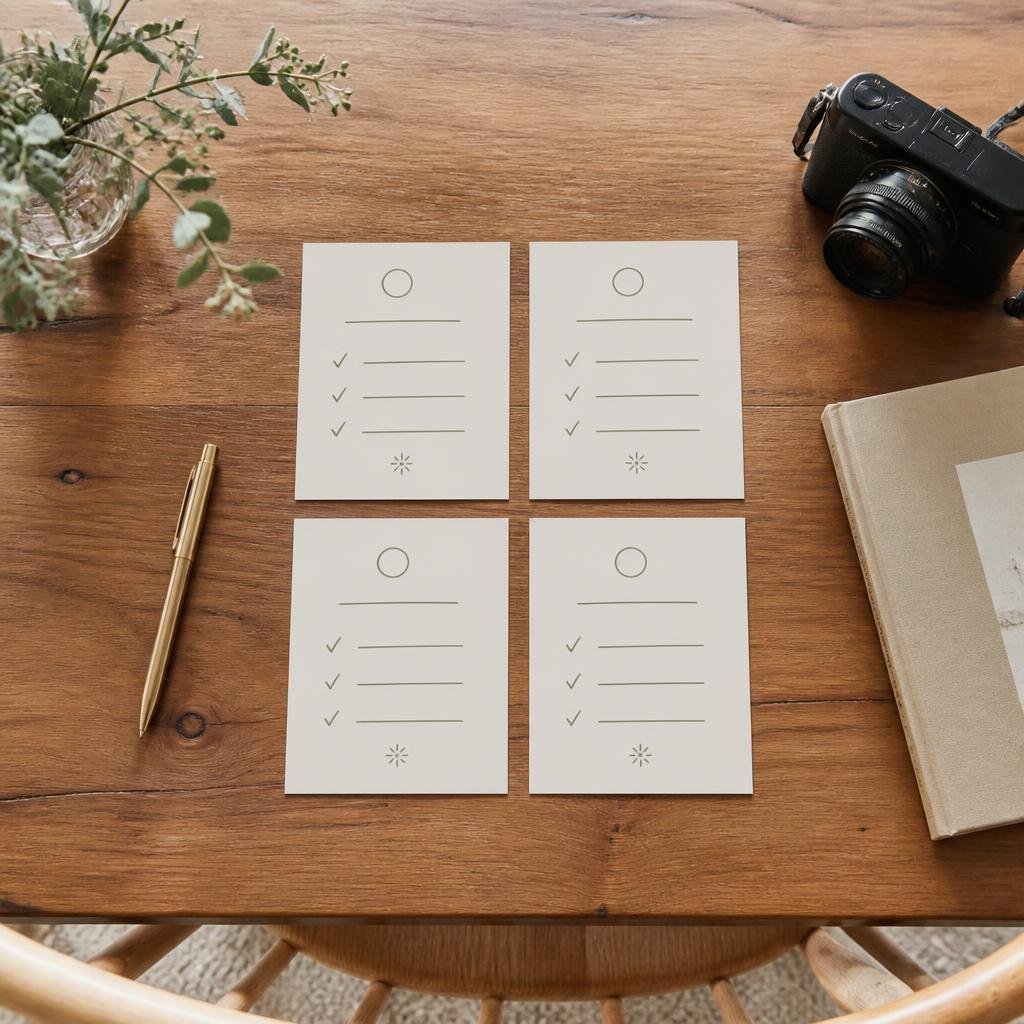
By the end of this guide, you’ll also create a Personal Reinvention Audit divided into four simple categories:
Keep → Change → Explore → Leave Behind
You don’t need to know exactly who you’re becoming yet.
You just need somewhere useful to begin.
First: Being Stuck Isn’t Always the Same as Being Unhappy
This distinction matters.
You can appreciate your life and still want something different from it.
You can like your job and wonder whether you want to do it forever.
You can love your friends and realize you want to meet people who expose you to different ideas.
You can be good at something and no longer want that skill to define you.
You can have a comfortable routine and feel bored inside it.
The question isn’t necessarily:
“What’s wrong with my life?”
A better question might be:
“What no longer feels like me?”
That’s where reinvention starts.
1. Identify What Has Become Too Small
Before deciding what needs to change, identify where you feel constrained.
Take a sheet of paper and write these categories:
- work or career
- friendships and social life
- interests
- routines
- personal style
- home and surroundings
- skills
- creativity
- how you spend your free time
- goals
- beliefs about yourself
Now go through each category and ask:
Does this still fit me, or am I maintaining it because it’s familiar?
You don’t need to invent a solution yet.
Just notice your reactions.
Maybe your career still fits, but your social life feels repetitive.
Maybe your home is fine, but your weekends have looked identical for three years.
Maybe you keep saying you’re “not creative” even though you’re increasingly interested in photography, design or writing.
Maybe you’ve become the dependable person who always says yes — and you’re tired of organizing your identity around being useful to everyone else.
Specific dissatisfaction is much easier to work with than the vague statement:
“I feel stuck.”
Turn stuck into something you can actually see.
2. Find the Identity Rules You’re Still Following
Many limitations don’t look like limitations.
They sound like facts.
“I’m not adventurous.”
“I’m terrible at meeting new people.”
“I’m just not someone who dresses like that.”
“I’m too old to start that now.”
“I’m the practical one.”
“I’ve never been artistic.”
“I’m not a business person.”
But some of these aren’t facts.
They’re descriptions of your past behavior that you’ve accidentally turned into permanent identity rules.
Try this exercise.
Write down five statements beginning with:
“I’m just not the kind of person who…”
Then examine each one.
Ask:
Who decided that?
When did I start believing it?
Is it still true?
Have I actually tested it recently?
You don’t need to replace every old belief with a motivational slogan.
You simply need to stop treating old descriptions as contracts.
3. Separate What You Want From What Looks Impressive
Reinvention can go wrong when you start designing a new version of yourself for an imaginary audience.
It’s easy to create goals because they look impressive:
Start a business.
Run a marathon.
Move somewhere exciting.
Become extremely productive.
Travel constantly.
Build the perfect wardrobe.
Learn three languages.
But would you actually enjoy the daily reality behind those identities?
Instead of asking:
“What kind of person would look impressive?”
Ask:
“What would make my actual days more interesting?”
Maybe you don’t want to become an entrepreneur.
Maybe you want more creative work.
Maybe you don’t want to become a world traveler.
Maybe you want to explore your own city twice a month.
Maybe you don’t want an entirely new career.
Maybe you want one challenging project that makes you feel like you’re learning again.
Build toward a life you want to live, not one that photographs well.
4. Look for Envy — Then Investigate It
Envy can contain useful information when you treat it as data rather than a verdict about yourself.
Think about the people who trigger that little reaction in you.
Not necessarily celebrities.
Maybe it’s someone who:
- changed careers
- has an interesting personal style
- seems deeply involved in a hobby
- built a creative project
- lives somewhere different
- has a wider social circle
- spends weekends doing things you’ve never tried
- speaks confidently
- works independently
- keeps learning new skills
Don’t stop at:
“I wish I had her life.”
Get specific.
What exactly are you responding to?
Her freedom?
Creativity?
Confidence?
Community?
Independence?
Curiosity?
Courage?
Style?
The answer may reveal something you’re missing.
You don’t need her life.
You need to understand what her life represents to you.
5. Create a “More / Less” List
Forget the five-year plan for a moment.
Take a page and divide it in half.
Write:
MORE
and
LESS
Under MORE, write what you want more of in your actual life.
For example:
- creativity
- interesting conversations
- movement
- learning
- color
- independence
- time outside
- new people
- challenging work
- quiet
- spontaneity
- making things
Under LESS, write what you want less of.
Maybe:
- automatic yeses
- scrolling
- repetitive weekends
- clutter
- obligations you no longer care about
- passive entertainment
- complaining
- rushing
- buying things out of boredom
- spending time with people you don’t particularly enjoy
This list gives you direction without requiring you to know your entire future.

6. Stop Asking “What Should I Become?”
It’s too big a question.
And it creates pressure to discover one perfect new identity.
Instead ask:
“What am I curious about right now?”
Curiosity is easier to follow than identity.
Maybe you’re curious about:
ceramics.
strength training.
interior design.
gardening.
coding.
photography.
solo travel.
cooking.
dance.
investing.
fashion.
volunteering.
writing.
hiking.
public speaking.
You don’t have to decide:
“I am now a photographer.”
You can simply decide:
“Photography interests me enough to try it.”
That distinction gives you permission to explore without turning every interest into a life decision.
7. Run Identity Experiments
This is one of the most useful ways to explore reinvention without making a dramatic decision based on temporary frustration.
An identity experiment is a small, temporary test of something the future version of you might do.
You collect experience before making conclusions.
Instead of:
“I should become more social.”
Experiment:
Attend one event where you don’t already know everyone.
Instead of:
“I need a more creative life.”
Experiment:
Spend two Saturday mornings taking a beginner pottery, photography or drawing class.
Instead of:
“I should change careers.”
Experiment:
Take one introductory course, talk to someone doing the job or complete a small project using that skill.
Instead of:
“I want to be more adventurous.”
Experiment:
Choose one unfamiliar place in your city and go there this weekend.
Instead of:
“I want to dress differently.”
Experiment:
Create three outfits using the style you’ve been saving but never wearing.
The experiment should be small enough to try and real enough to teach you something.

Give a Bigger Experiment 30 Days
If something deserves more than a single attempt, test it for 30 days before turning it into a permanent decision.
For example:
For 30 days, I’ll spend two hours every Saturday learning photography.
For 30 days, I’ll explore somewhere unfamiliar twice a week.
For 30 days, I’ll wear the clothes I keep saving for “someday.”
For 30 days, I’ll spend 20 minutes practicing a skill instead of scrolling at night.
For 30 days, I’ll attend one new social activity each week.
At the end, don’t ask:
“Was I perfect?”
Ask:
- Did I look forward to this?
- Did I become more curious as I continued?
- Did this add energy or drain it?
- Do I want to go deeper?
- What surprised me?
- Would I choose this again without the challenge?
Then decide:
Continue. Modify. Drop.
Dropping an experiment isn’t failure.
You discovered that a possible direction isn’t yours.
That’s useful information.
8. Change Your Inputs
If you consume the same ideas, talk to the same people, visit the same places and follow the same routines, your imagination has very little new material to work with.
Change some of your inputs.
You could:
- borrow a book from a section you normally ignore
- attend a local workshop
- visit a neighborhood you’ve never explored
- follow creators outside your usual interests
- listen to a podcast from another industry
- go to a museum alone
- attend a lecture
- try a different type of exercise
- work from a different location
- visit a gallery, bookstore or community event
And deliberately enter some places where people don’t already know the old version of you.
A class, club, professional event, volunteer project or local group can be especially useful.
Nobody there knows whether you’re normally quiet.
They don’t know what you’ve always been good at.
They don’t know what role you usually play in your family or friend group.
You’re not pretending to be someone else.
You’re giving different parts of yourself room to appear.
You aren’t trying to become a different person overnight.
You’re giving yourself new references for what life could contain.
9. Change One Environment That Keeps Reinforcing the Old You
Look around your everyday spaces.
Do they support where you’re going — or mostly preserve where you’ve been?
You don’t need to redecorate your entire home.
Change one environment connected to the direction you’re exploring.
If you want to read more, create an inviting place to read and put the books where you can see them.
If you want to make art, stop storing every art supply in a box you need a ladder to reach.
If you want to exercise in the morning, make the equipment or clothing easy to access.
If you want to cook more, clear enough counter space to make cooking pleasant.
If you want to work on a personal project, create a small dedicated workspace.
Make the new behavior easier to begin.

10. Do Something You’re Willing to Be Bad At
Competence is comfortable.
Once you’re good at your usual responsibilities, it’s easy to keep choosing things you already know how to do.
But reinvention needs some beginner energy.
Choose something where you expect to be mediocre initially.
Bake bread.
Try tennis.
Learn basic Italian.
Take a dance class.
Paint.
Grow herbs.
Make pottery.
Learn editing software.
Play an instrument.
Being a beginner gives you something routine rarely does:
visible progress.
Last month you couldn’t do something.
Now you can.
That experience gives you new evidence about what you’re capable of learning.
11. Let the Outside Catch Up With the Inside
Sometimes an internal shift benefits from a small external signal.
That doesn’t mean buying an entirely new wardrobe or trying to manufacture a different personality.
It might mean:
- finally getting the haircut you’ve been considering
- wearing the clothes you’ve been saving for special occasions
- introducing a color or style you’ve always liked
- updating your workspace
- changing an outdated professional bio
Ask:
“Does the way I’m presenting myself still represent who I am now?”
Sometimes the answer will be yes.
Sometimes you’ll realize you’re still making choices for a version of yourself you’ve already outgrown.
Change what genuinely feels outdated.
Leave the rest alone.
12. Stop Announcing Every Change Before You Try It
You don’t need to publicly declare:
“This is the new me.”
Sometimes it’s easier to experiment quietly.
Try the class.
Change your routine.
Start the project.
Wear the outfit.
Read the book.
Go to the event.
Learn the skill.
Let yourself experience the change before turning it into a public identity.
You’re allowed to explore something without committing to it forever.
And you’re allowed to change your mind.
13. Decide What the Next Version of You Actually Does
Now move from adjectives to behavior.
“More confident” is vague.
What does a more confident version of you do?
Maybe she:
- speaks earlier in meetings
- goes places alone
- asks questions without apologizing
- wears what she actually likes
- stops explaining every decision
“More creative” is vague.
Maybe she:
- makes something every weekend
- keeps supplies accessible
- takes classes
- visits exhibitions
- finishes small projects
“More adventurous” might mean:
- tries one new place every month
- says yes to unfamiliar experiences
- travels somewhere alone
- learns an outdoor activity
Choose three behaviors that would make the next version of you visible in everyday life.
Then practice those behaviors before you fully feel like that person.
Don’t wait for the identity to arrive first.
Give it something concrete to grow around.
The Personal Reinvention Audit
Now bring everything together.
Take one page and divide it into four sections:
KEEP
What already fits the person you’re becoming?
These may be relationships, routines, values, skills, habits or parts of your lifestyle you genuinely want to carry forward.
Ask:
- What currently gives me energy?
- Which relationships feel mutual and healthy?
- What am I already proud of?
- Which routines genuinely support me?
- Which parts of my current life would I choose again?
Don’t destroy good things just because you’re craving change.
CHANGE
What still belongs in your life but needs an update?
Maybe:
- your schedule
- boundaries
- wardrobe
- weekends
- workspace
- social habits
- professional direction
- routines
Ask:
- What feels stale but fixable?
- What have I been doing on autopilot?
- Where do I want more challenge?
- What would improve with a different approach?
These things don’t necessarily need to disappear.
They need to evolve.
EXPLORE
What are you curious enough to test?
Add:
- interests
- skills
- places
- communities
- styles
- projects
- career possibilities
- experiences
Ask:
- What have I been curious about lately?
- What would I try if I didn’t need to be good at it?
- Where could I expose myself to different people or ideas?
- What 30-day experiment sounds interesting?
These are experiments, not commitments.
LEAVE BEHIND
What are you maintaining mostly because it belongs to an older version of you?
This could include:
- an identity label
- an outdated goal
- an obligation
- a habit
- a social role
- an assumption about yourself
- something you keep doing because “I’ve always done it”
Ask:
- Which identity labels feel outdated?
- What goal do I no longer actually want?
- What am I continuing mostly because other people expect it?
- What am I afraid to stop being known for?
- Which version of myself am I trying to preserve even though I’ve outgrown her?
You don’t have to remove everything immediately.
First, name it.
A Simple 30-Day Reinvention Plan
If you’ve completed the audit but still don’t know what to do next, don’t redesign your entire life.
Use the next month to collect information.
Week 1 — Notice
Complete your Personal Reinvention Audit.
Write your More / Less list.
Identify three identity rules you may have outgrown.
Choose one area of your life that feels too small.
Don’t change everything yet.
Week 2 — Expand
Do three things outside your usual pattern.
Visit somewhere unfamiliar.
Consume something outside your normal interests.
Enter a place, event or conversation that exposes you to people or ideas you wouldn’t normally encounter.
Notice what catches your attention.
Week 3 — Experiment
Choose one identity experiment.
Make it concrete.
Not:
“Become more creative.”
Instead:
“Take a beginner ceramics class Saturday.”
Not:
“Be more adventurous.”
Instead:
“Go somewhere I’ve never been this weekend.”
Then actually do it.
Week 4 — Evaluate
Ask:
What gave me energy?
What felt forced?
What do I want to repeat?
What did I learn about myself?
What deserves another 30 days?
Choose one thing to continue.
That’s enough.
You don’t need a complete transformation every month.
You Don’t Need to Blow Up Your Life to Reinvent Yourself
One of the biggest misconceptions about reinvention is that change has to be dramatic to count.
It doesn’t.
You don’t need a new city, new career, new wardrobe, new relationship status and completely new personality by next month.
Sometimes reinvention begins with something much smaller.
You stop calling yourself “not creative.”
You take the class.
You enter a room where nobody knows you.
You wear something you’ve always assumed wasn’t “you.”
You rearrange your environment around something you want to practice.
You discover that the hobby you thought would change your life actually bores you.
Good.
Now you know.
You discover that something you tried casually makes you feel more awake than you’ve felt in years.
Pay attention to that.
The goal isn’t to manufacture a shiny new identity.
It’s to stop automatically repeating an old one.
You don’t have to know exactly who you’re becoming before you begin.
Sometimes you become her by trying things, noticing what fits and giving yourself permission to keep changing.