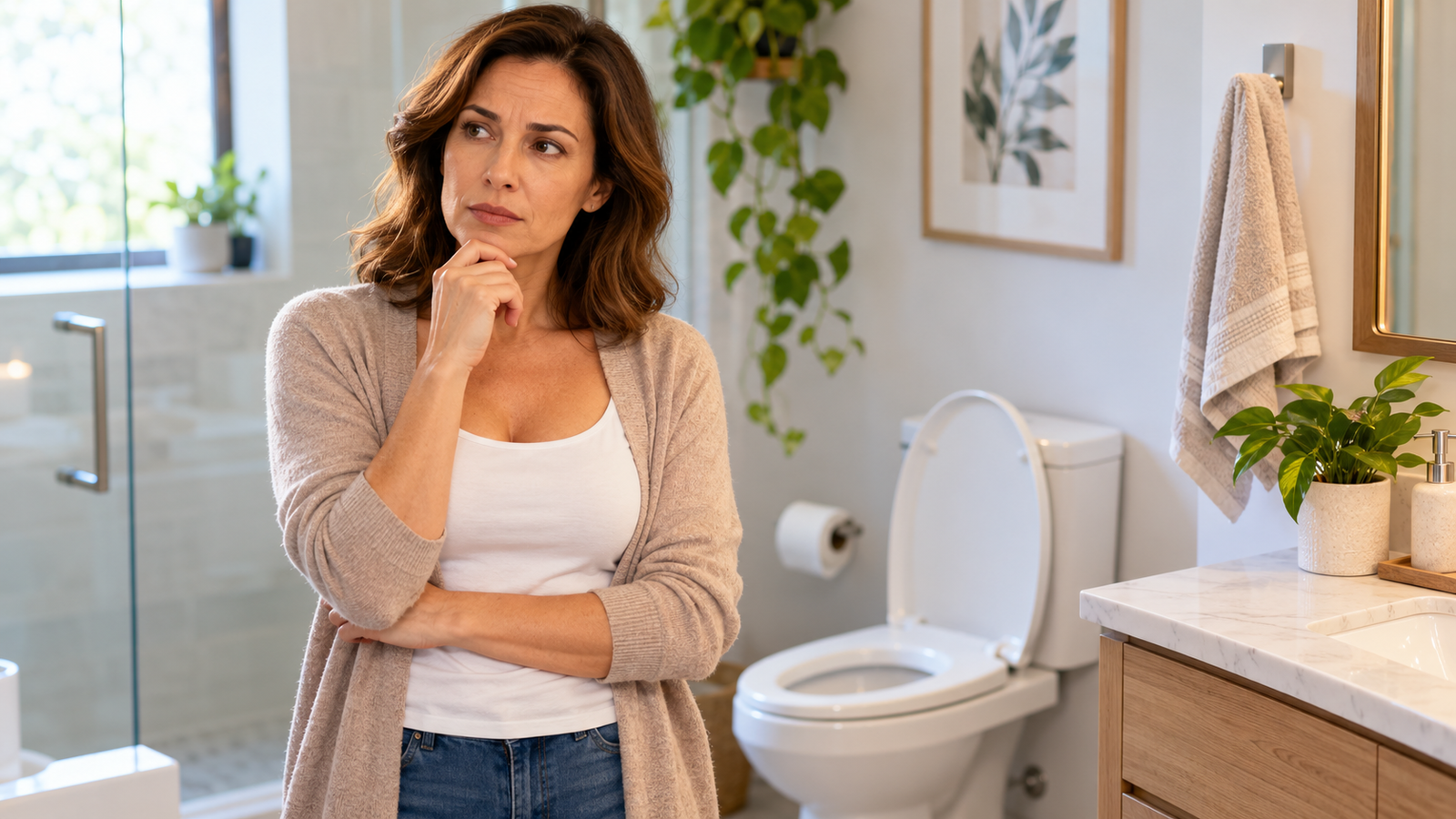

Feel like you have to pee right after peeing? You just used the bathroom, washed your hands, and walked away. But a few minutes later, the urge returns.
Maybe you feel pressure in your lower abdomen. Maybe you sit down again, only to pass a few drops of urine—or nothing at all.
It’s frustrating, especially when it happens repeatedly throughout the day or interrupts your sleep.
The sensation can have several explanations, including bladder irritation, a urinary tract infection, pelvic floor dysfunction, hormonal changes, or difficulty emptying your bladder completely.
The important thing to understand is that feeling like you need to urinate again doesn’t always mean your bladder is full.
In this guide, we’ll explore eight possible causes, practical steps that may help, symptoms you shouldn’t ignore, and what to know about bladder support supplements.
Is It Normal to Feel Like You Still Have to Pee After Urinating?
Occasionally feeling the urge to urinate again doesn’t necessarily mean something serious is wrong.
However, if it happens frequently, disrupts your sleep, or interferes with your daily routine, it’s worth investigating.
Healthcare professionals sometimes refer to this experience as a sensation of incomplete bladder emptying.
But that sensation doesn’t always mean urine is actually being retained.
Two different things may be happening:
- Incomplete bladder emptying: Your bladder retains urine after you finish urinating.
- Urinary urgency: Your bladder produces a strong signal to urinate even when relatively little urine is present.
These situations can feel similar, but they may require different treatments.
What Your Symptoms Might Mean
| What you notice | Possible explanation |
|---|---|
| Burning and frequent urges | Urinary tract infection |
| Weak stream or difficulty starting | Incomplete bladder emptying |
| Sudden urgency with small amounts | Overactive bladder or irritation |
| Pelvic tightness or pressure | Pelvic floor dysfunction |
| Urgency after drinking coffee | Caffeine sensitivity |
| Changes during perimenopause | Hormonal or genitourinary changes |
These patterns are clues, not diagnoses. Different conditions can cause overlapping symptoms.
1. Your Bladder May Not Be Emptying Completely

One possible reason you feel like you need to pee again is incomplete bladder emptying.
Normally, your bladder contracts while the muscles surrounding the urethra relax, allowing urine to flow out.
If that process doesn’t work efficiently, some urine may remain after you’ve finished.
This can happen for several reasons, including:
- Pelvic floor muscles that don’t relax properly.
- Certain medications.
- Constipation.
- Pelvic organ prolapse.
- Neurological conditions affecting bladder function.
According to the National Institute of Diabetes and Digestive and Kidney Diseases (NIDDK), urinary retention can involve difficulty emptying the bladder completely.
Signs to Watch For
You may notice a weak urine stream, difficulty starting, repeated bathroom trips, or a sensation of fullness after urinating.
What May Help
Try sitting comfortably with your feet supported and your abdominal muscles relaxed.
Avoid rushing or straining.
In some circumstances, a healthcare professional may recommend double voiding: waiting briefly after urinating and then trying again without pushing.
If the problem persists, a clinician can measure the urine remaining in your bladder using a post-void residual test.
Seek emergency medical care if you suddenly cannot urinate, especially if you have significant lower abdominal pain or swelling.
2. You Could Have a Urinary Tract Infection
A urinary tract infection (UTI) is another common reason women experience frequent or persistent urinary urges.
When the bladder becomes inflamed because of an infection, it may signal the need to urinate even when little urine is present.
Other possible symptoms include:
- Burning or pain during urination.
- Lower abdominal discomfort.
- Cloudy or bloody urine.
- Frequent urges with small amounts of urine.
- Pressure around the bladder.
What Should You Do?
If you suspect a UTI, contact a healthcare professional for evaluation.
A urine test may be recommended, and bacterial bladder infections are commonly treated with antibiotics.
Cranberry supplements, probiotics, and other bladder wellness products should not replace appropriate treatment.
Fever, chills, vomiting, or back or side pain with urinary symptoms can indicate a more serious infection and require prompt medical attention.
3. You May Have an Overactive Bladder
Overactive bladder is associated with sudden, difficult-to-control urges to urinate.
You may find yourself returning to the bathroom shortly after going, even when your bladder contains little urine.
Common symptoms include:
- Sudden urinary urgency.
- Frequent daytime urination.
- Waking during the night to urinate.
- Sometimes leaking urine before reaching the bathroom.
Overactive bladder symptoms should be assessed to rule out other causes, such as infection or urinary retention.
What May Help?
Depending on your situation, treatment may involve:
- Bladder training.
- Changes in fluid and caffeine habits.
- Pelvic floor physical therapy.
- Prescription medication when appropriate.
Bladder training involves gradually developing more predictable bathroom habits, but it isn’t appropriate to start deliberately delaying urination if you may have urinary retention.
4. Your Pelvic Floor Muscles May Be Too Tight
Your pelvic floor is a group of muscles that supports your bladder and other pelvic organs.
These muscles need to contract and relax properly.
When they remain overly tense or don’t coordinate well, you may experience urinary urgency, pelvic discomfort, or difficulty emptying your bladder.
Possible symptoms include:
- Feeling unable to finish urinating.
- Pelvic pressure.
- Difficulty starting the urine stream.
- Urinary urgency.
- Discomfort around the pelvis.
Are Kegel Exercises Always Helpful?
No.
Kegel exercises may improve certain types of urinary leakage by strengthening pelvic floor muscles.
However, if your muscles are already overly tight, repeatedly contracting them may not address the underlying problem.
A pelvic floor physical therapist can determine whether relaxation, coordination training, strengthening, or a combination is appropriate.
5. Coffee and Other Drinks May Be Irritating Your Bladder

Your everyday drinks may affect how frequently you feel the urge to urinate.
Caffeine can increase urine production and may worsen urgency in some people.
Common sources include:
- Coffee and espresso.
- Black and green tea.
- Energy drinks.
- Some sodas.
- Certain pre-workout beverages.
Some people also report symptoms after drinking alcohol, carbonated beverages, or acidic drinks.
However, bladder triggers vary from person to person.
Try This Simple Experiment
For several days, record what you drink and when your symptoms appear.
If you notice that urgency regularly follows a particular beverage, consider reducing it gradually and observing whether your symptoms change.
Don’t eliminate multiple drinks at once, because that makes it difficult to identify a trigger.
And don’t severely restrict water. Inadequate fluid intake may make urine more concentrated and contribute to irritation in some people.
6. Hormonal Changes During Perimenopause or Menopause
If you’re in your 40s or 50s, urinary changes may appear alongside perimenopause or menopause symptoms.
Declining estrogen levels can affect tissues around the vagina and urinary tract.
These changes are sometimes associated with genitourinary syndrome of menopause (GSM).
Possible symptoms include:
- Urinary urgency.
- Frequent urination.
- Vaginal dryness.
- Burning or irritation.
- Recurrent urinary tract infections.
- Discomfort during intimacy.
However, hormonal changes aren’t the only possible explanation for urinary symptoms during menopause.
What May Help?
A healthcare professional can evaluate whether menopause-related changes are contributing to your symptoms.
Depending on your health history, treatment options may include vaginal moisturizers, pelvic floor therapy, or prescription local vaginal estrogen.
If your symptoms began during perimenopause, keep track of when they started and whether other changes occurred around the same time.
7. Constipation May Be Affecting Your Bladder
Your bowel and bladder are located close together in the pelvis.
Constipation can increase pressure in the pelvic region and contribute to urinary symptoms.
You may notice:
- Lower abdominal fullness.
- Difficulty passing stool.
- Urinary frequency.
- A sensation of incomplete bladder emptying.
What May Help?
Maintaining regular bowel habits may improve symptoms for some people.
Helpful habits can include adequate hydration, fiber-rich foods, regular movement, and avoiding excessive straining.
If constipation is persistent or severe, discuss treatment options with a healthcare professional.
8. Certain Medications Can Affect Urination
Some medications influence bladder function.
For example, certain antihistamines, decongestants, antidepressants, and medications with anticholinergic effects can contribute to urinary retention.
Diuretics can increase urine production, leading to more frequent bathroom trips.
If your symptoms began after starting or changing a medication, speak with your healthcare professional or pharmacist.
Don’t stop prescribed medication without medical guidance.
What Can You Do When You Feel Like You Have to Pee Again?
If you can urinate normally and don’t have emergency symptoms, a few practical steps may help you recognize patterns and prepare for a medical appointment.
Step 1: Give Yourself Time in the Bathroom
Sit comfortably and allow your bladder to empty without rushing.
Avoid pushing or straining.
Step 2: Notice How Much Urine Comes Out
Do you pass a normal amount, a few drops, or almost nothing?
This can help distinguish frequent urine production from urgency without much urine.
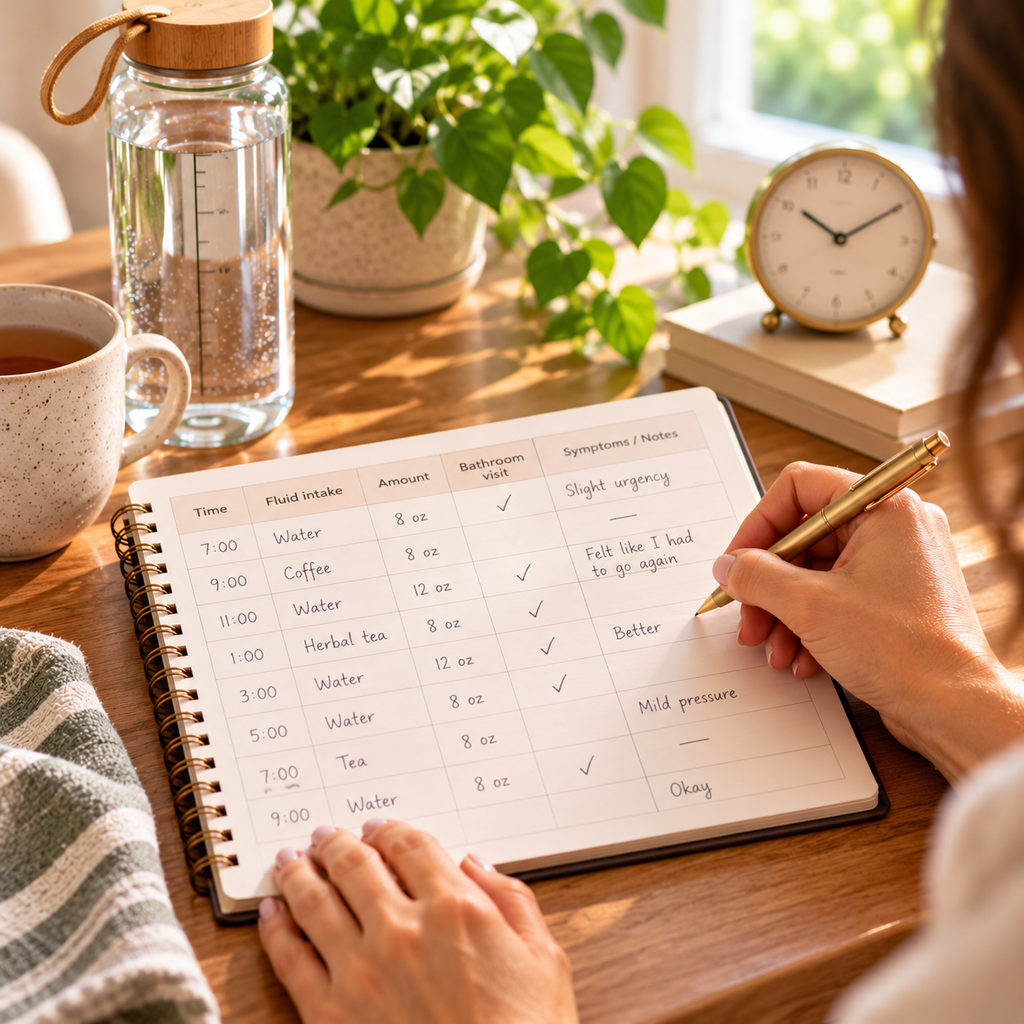
Step 3: Keep a Bladder Diary
For two or three days, record:
- What and when you drink.
- When you urinate.
- Approximately how much urine you pass.
- Whether you experience urgency, burning, or leakage.
- Whether symptoms wake you at night.
A bladder diary can help your healthcare professional identify patterns.
Step 4: Review Your Caffeine Intake
Notice whether symptoms worsen after coffee, tea, or energy drinks.
If they do, consider reducing caffeine gradually.
Step 5: Pay Attention to Constipation
Regular bowel habits can be an important part of bladder health.
Step 6: Ask About Pelvic Floor Function
If you experience pelvic tightness, pressure, or difficulty relaxing during urination, pelvic floor physical therapy may be worth discussing.
Step 7: Seek Medical Evaluation for Persistent Symptoms
If the sensation continues, worsens, or interferes with daily life, don’t rely on self-care alone.
These steps help you observe symptoms; they don’t replace diagnosis or treatment.
When Should You See a Doctor?

Seek emergency care if you suddenly cannot urinate and experience significant lower abdominal pain or swelling.
Seek prompt medical attention if you experience:
- Fever or chills with urinary symptoms.
- Back or side pain, especially with nausea or vomiting.
- Blood in your urine.
- Significant or worsening pelvic pain.
- New urinary symptoms during pregnancy.
You should also arrange an assessment if you repeatedly feel unable to empty your bladder or your symptoms disrupt sleep and everyday activities.
How Doctors Investigate Persistent Urinary Urgency
Depending on your symptoms, a healthcare professional may recommend:
| Assessment | Purpose |
|---|---|
| Urinalysis | Checks for signs of infection or other abnormalities |
| Urine culture | Helps identify bacterial infection when indicated |
| Post-void residual test | Measures urine remaining after urination |
| Pelvic examination | Assesses possible pelvic causes |
| Bladder diary | Identifies patterns of fluid intake and urination |
| Additional bladder testing | Investigates more complex or persistent symptoms |
Not everyone needs every test.
Can Bladder Support Supplements Help?
Many women researching urinary wellness come across supplements containing cranberry, probiotics, or botanical ingredients.
Some of these ingredients have been studied for specific aspects of urinary health.
For example, certain cranberry preparations may help reduce the risk of recurrent urinary tract infections in some women.
However, preventing recurrent infections is not the same as treating urinary urgency, incomplete bladder emptying, or urinary leakage.
The evidence for probiotics also varies depending on the strains, doses, and conditions being studied.
No dietary supplement should be assumed to resolve the sensation of needing to pee immediately after urination without understanding the underlying cause.
If you’re considering a bladder support supplement, review the ingredient label, available research, and possible medication interactions before purchasing.
Considering FemiCore for Bladder Wellness?
One product you may encounter while researching women’s urinary wellness supplements is FemiCore.
FemiCore is marketed as a dietary supplement combining botanical ingredients and probiotic bacteria, with an emphasis on urinary wellness.
Its advertised ingredients include cranberry extract, berberine, bearberry, Mimosa pudica, and several Lactobacillus species.
While individual ingredients have been investigated in different areas of health research, this doesn’t establish that the complete FemiCore formula improves bladder control.
In particular, FemiCore has not been established as a treatment for urinary urgency, incomplete bladder emptying, urinary incontinence, or urinary tract infections.
If you’re interested in learning more about the product, you can review its advertised formula, current price, and purchasing conditions before deciding whether it is appropriate to discuss with a healthcare professional.
Affiliate disclosure: This section contains affiliate links. We may earn a commission if you purchase through them, at no extra cost to you.
Explore FemiCore Ingredients, Product Details and Current
What to Check Before Considering a Bladder Supplement
Before purchasing any bladder support supplement, ask yourself:
- Does the manufacturer provide a complete Supplement Facts label?
- Are the ingredient amounts and probiotic strains clearly identified?
- Is there clinical research on the finished product?
- Could any ingredients interact with your medications?
- Are the total price, shipping costs, and refund conditions clear?
These questions matter more than promises of fast or guaranteed results.
Frequently Asked Questions
Why do I feel like I have to pee again even though nothing comes out?
This sensation may be caused by bladder irritation, urinary tract infection, pelvic floor dysfunction, or problems with bladder emptying.
If you cannot urinate at all and have significant lower abdominal pain or swelling, seek emergency medical care.
Why do I feel pressure in my bladder after peeing?
Pressure after urinating can be associated with infection, inflammation, incomplete emptying, pelvic floor dysfunction, or other pelvic conditions.
Persistent symptoms deserve medical evaluation.
Can anxiety make me feel like I need to pee?
Stress and anxiety can influence urinary urgency and how bladder sensations are perceived.
However, new or persistent symptoms shouldn’t automatically be attributed to anxiety without considering possible physical causes.
Can dehydration make urinary urgency worse?
Inadequate fluid intake may make urine more concentrated, which can irritate the bladder in some people.
Avoid deliberately restricting water unless a healthcare professional has recommended otherwise.
Why do I feel like I have to pee after peeing but don’t have a UTI?
Possible explanations include overactive bladder, pelvic floor dysfunction, incomplete bladder emptying, constipation, medication effects, and menopause-related changes.
If symptoms continue despite a negative infection test, further evaluation may be needed.
Is frequent urination common during perimenopause?
Urinary changes can occur during perimenopause, but persistent symptoms shouldn’t automatically be dismissed as hormonal.
A healthcare professional can help identify the cause.
Do cranberry supplements help with urinary urgency?
Certain cranberry products may help reduce recurrent urinary tract infections in some women, but this does not establish that they treat urinary urgency or incomplete bladder emptying.
Is FemiCore a treatment for frequent urination?
FemiCore is marketed as a dietary supplement, not an established treatment for frequent urination. Its complete formula has not been shown to treat the underlying causes of persistent urinary urgency.
Final Thoughts
Feeling like you have to pee right after peeing can be frustrating, especially when it happens throughout the day or interrupts your sleep.
The most important thing to understand is that urinary urgency is a symptom, not a diagnosis.
For some women, a urinary tract infection or bladder irritation may be responsible. For others, the cause may involve pelvic floor dysfunction, hormonal changes, constipation, medications, or incomplete bladder emptying.
Keeping a bladder diary, reviewing your daily habits, and discussing persistent symptoms with a healthcare professional can help you identify appropriate next steps.
If you’re also researching urinary wellness supplements, focus on ingredient transparency, safety, and reliable evidence rather than assuming a product can treat an undiagnosed condition.
Review FemiCore’s Current Formula and Purchasing Information
Your bladder health deserves informed decisions—not guesswork.
Medical References and Further Reading
- NIDDK — Symptoms & Causes of Urinary Retention
- NIDDK — Diagnosis of Urinary Retention
- NIDDK — Symptoms & Causes of Bladder Infection in Adults
- NIDDK — Treatment of Urinary Retention
- NCCIH — Cranberry: Usefulness and Safety
- NCCIH — Probiotics: Usefulness and Safety
Medical Disclaimer: This article is for educational purposes only and is not intended to provide medical advice, diagnosis, or treatment. Consult a qualified healthcare professional about new, persistent, or worsening urinary symptoms.